



Frequently Asked Questions
You Ask. We Answer. Click below to find out more.
How do I know if I have a problem managing my anxiety?
Anxiety is a normal human emotion that is helpful when there is a threat to our safety. Sometimes anxiety that is out of proportion to the situation. Most people seek professional help when they start to avoid things, experience physical symptoms, or feel their worries are uncontrollable.
What can I expect in the first session?
The first session is an initial assessment. This is a chance for me to understand the nature of your problems, the wider history of your life, and what you are hoping to achieve from therapy. At the end of this assessment, I will share my recommendations and bespoke treatment plan. We will begin the course of therapy in the following session. If I do not feel I am the best psychologist to work with you, I will provide you with some onward referrals.
How do I find the right psychologist?
The right psychologist will make you feel heard, respected, and comfortable to talk about all the things that make you vulnerable. You will also feel they have the right skills and expertise to help you achieve your therapy goals. I provide a compassionate, culturally inclusive, and collaborative space for my clients and always invite feedback and questions.
How long will I need to be in therapy?
This will depend on the type of issues and severity of the problem, your commitment to the process, and session frequency. Most people I work with on a weekly basis start to will be able to complete therapy within 6 to 12 sessions. We will regularly review our progress together during therapy.
Do you offer face to face sessions?
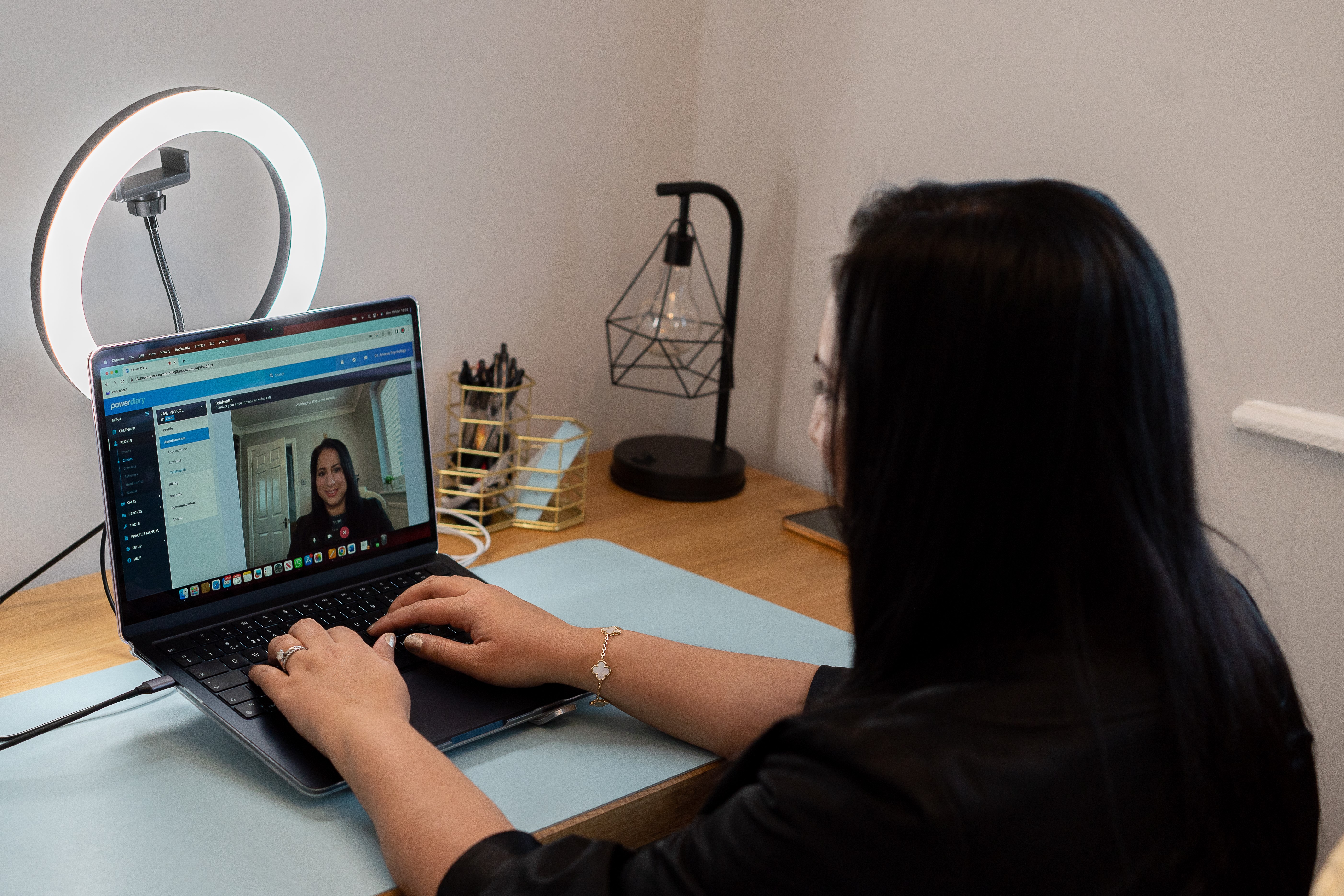
Yes. I currently offer face to face sessions for self funding West Yorkshire based clients at a premium location- The Tower Clinic in Cookridge, Leeds on Mondays. I also offer online sessions for clients based anywhere in the UK.
Why are your fees so much higher than a counsellor or psychotherapist?
As a consultant clinical psychologist, I have a Bachelor's, Master's, and PhD in Psychology and have undergone 10 years of course work in psychology and human behaviour, research, and supervised placements in hospitals and community settings. I worked in senior clinical and leadership roles in the NHS and in Canada before entering private practice. The fees reflect the level of specialism and expertise brought to your therapy experience.
Will I be cured of my anxiety if I invest my time and money to come to therapy?
Outcomes can’t be guaranteed in therapy, as this will depend from one person to another. In my experience, with the right therapeutic approach and a high level of commitment from the client, most people can learn to manage their anxiety well.
What is your therapeutic approach?
As a Clinical psychologist, I am not restricted to using a one size fits all model. I use a blend of various cognitive behavioural therapy (CBT) approaches as well as other scientifically proven models, as appropriate for the person and their unique problems. I regularly go on training courses to keep my knowledge and skills up to date with the latest research.